
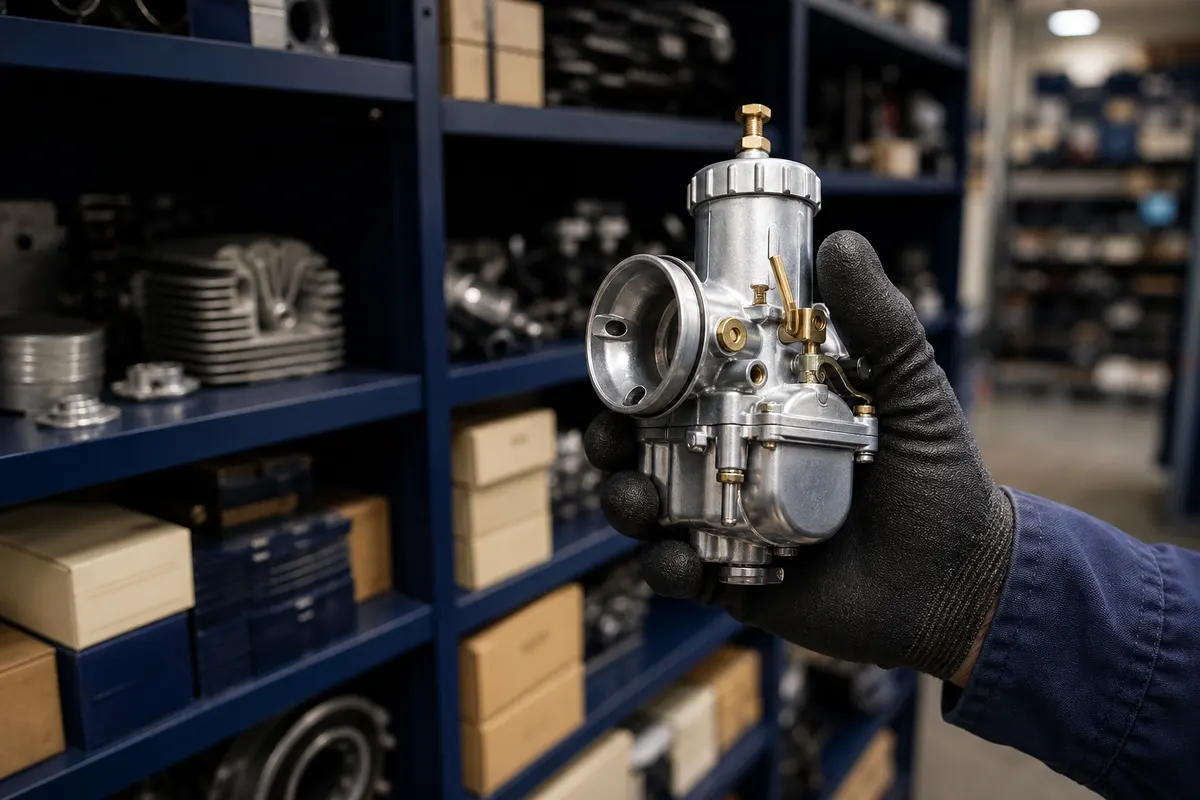
How to Identify the Right Classic Vehicle Part
Finding a replacement part for a classic vehicle is rarely as simple as matching a familiar name. Two components can look almost identical in photographs yet differ in mounting points, dimensions, thread type, electrical connections or the model years they suit. The safest approach is to treat the old part and the vehicle itself as evidence. A structured identification process gives a supplier better information, reduces unnecessary returns and helps keep a restoration moving.
Start with the vehicle’s complete identity
Record the manufacturer, model, approximate production year and market in which the vehicle was originally sold. If available, note the frame or chassis prefix, engine type and registration details. Classic vehicles often changed gradually during production, so a model name alone may cover several versions. Export models, locally assembled vehicles and later replacement engines can also use components that differ from the standard catalogue description.
Do not rely entirely on a registration year. A vehicle may have been registered after it was manufactured, and major assemblies may have been replaced during its life. Use the available numbers as clues and compare them with what is physically fitted to the vehicle.
Use the original component as your primary reference
Keep the removed part until the replacement has been checked. Clean it gently enough to expose cast numbers, stamped references, manufacturer marks and construction details without removing evidence. Look at both sides, the mounting surface and any area normally hidden when installed. Small differences in a bracket, flange, shaft or connector can determine whether a part fits correctly.
If the original component is missing, photograph the space where it belongs. Include the surrounding assembly, mounting holes, cable route, mating surface and any related hardware. This helps a parts specialist understand not only what the component looks like but also how it must connect to the vehicle.
Take photographs that answer useful questions
A single close-up is often not enough. Start with a clear overall image, then take straight-on photographs of the front, back, sides and mounting face. Add close-ups of numbers, plugs, terminals, threads, splines and unusual features. Use even light and a plain background so the outline is easy to see.
Place a ruler or vernier caliper beside the part for scale, but also write the measurements in your enquiry. Perspective can make a ruler difficult to read in a photograph. When photographing the vehicle, step back for one image that shows the location of the part before moving closer for details.
Measure the interfaces, not only the overall size
Overall length and width are helpful, but the points where a component meets the vehicle are usually more important. Measure mounting-hole centres, bolt diameter, thread diameter and pitch, shaft diameter, spline count, flange size, cable length and connector dimensions where relevant. For seals and bearings, record the inside diameter, outside diameter and width. For electrical items, count terminals and note the connector shape and orientation.
Write down how the measurements were taken. A dimension measured between hole edges is different from the centre-to-centre distance normally used in a listing. Clear units are essential, especially when enquiries cross markets that use both metric and imperial measurements.
Read markings carefully
Part numbers are valuable, but every marking is not necessarily an orderable part number. A casting number may identify an unfinished family of components, while a supplier or date code may only describe production. Record the complete marking exactly as it appears, including spaces, prefixes and suffixes, and include a photograph. Searching several variations can help, but the physical details should still be compared before ordering.
Allow for repairs and modifications
Many classic vehicles have been altered over decades of use. Previous owners may have fitted a later engine, converted the electrical system, fabricated brackets or substituted parts from another model. Fresh welds, extra holes, non-standard wiring, spacers and mixed fasteners can indicate a modification. A replacement chosen only from the vehicle name may recreate the original specification but not fit the vehicle in its current form.
Tell the supplier about known changes. If you are returning the vehicle to factory specification, explain that too, because the required part may need matching associated components rather than fitting the modified arrangement already present.
Check related components before placing the order
A failed part may have damaged the items around it, and a new component may require seals, gaskets, bushes, clips or special fasteners. Inspect the complete assembly while access is available. Ordering the small supporting pieces at the same time can prevent a second delay and helps ensure the installation is completed correctly.
Send a concise identification request
Give the supplier one organised message containing the vehicle details, visible numbers, key measurements, photographs and the intended use. If you are enquiring about an AE Spares listing, include its SKU and explain which detail you want confirmed. Avoid stating that a part “looks the same” without describing the interfaces that matter.
Final checks before ordering
Before payment, compare the listing photographs, description, SKU and dimensions with your notes. Confirm what is included, because product images may show related hardware for context. Review the returns policy before fitting or altering the part, and keep the packaging until compatibility has been checked. When safety-critical work involves brakes, steering, suspension or fuel systems, have the installation inspected by a suitably experienced professional.
A careful identification process takes a little longer at the beginning, but it saves time where it matters. Vehicle identity, useful photographs, accurate interface measurements and honest information about modifications give both the buyer and the supplier the best chance of selecting the right classic vehicle part first time.